Why Your Body Is the First Partner
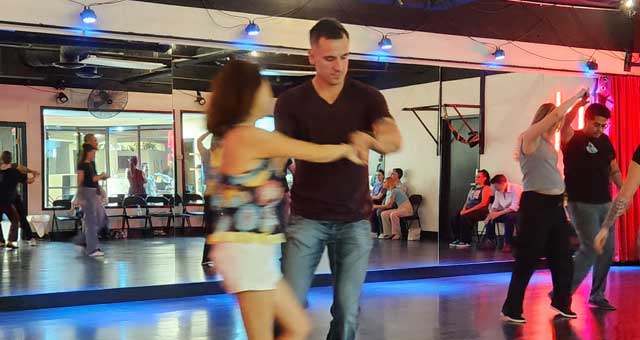
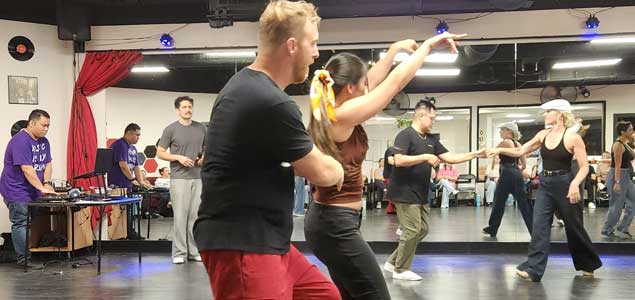
Good dancing starts before connection. Alignment and balance determine how movement travels through the body. Posture creates readiness, not stiffness. When dancers stack head, ribs, and hips, balance improves instantly. This foundation supports every step. Without it, partners compensate. Clear posture allows dancers to stay responsible for their own movement from the first beat.
What Posture Really Means in West Coast Swing
Posture is not military straight. It is relaxed, upright readiness. Knees stay soft and responsive. The chest stays open without lifting. Weight stays centered over the feet. This setup allows quick direction changes. It also prevents collapse during connection. Dance posture balance supports freedom, not restriction, when built correctly.
Balance Is a Moving Skill
Balance does not mean standing still. Dancers constantly shift weight while staying controlled. Each step must finish before the next begins. Rushing destroys balance. Grounded feet create confidence. When balance stays internal, partners stop leaning. The dance feels lighter. Control replaces effort. Staying upright allows clearer leads and follows.
Common Problems That Steal Stability
Many dancers lean toward their partner for support. Others pitch forward during turns. Some lock knees and lose mobility. These habits force partners to compensate. Awareness fixes most issues. Check where your weight lives. Keep it over your own feet. Stability grows when dancers trust themselves first.
How Balance Improves Connection
When dancers stay balanced, connection feels cleaner. Leaders guide without holding up partners. Followers respond without grabbing. The arms stay quiet because the body stays centered. This clarity improves timing. Musical choices land more clearly. Dance posture balance allows playful stretch without panic. Partners feel safe and grounded together.
Why Advanced Dancers Look Effortless
Advanced dancers move with calm control. Their posture never draws attention. Balance stays consistent through speed changes. They recover quickly from mistakes. Judges see confidence. Social partners feel relaxed. Mastery shows through self-support. When dancers stay on their own feet, connection becomes a choice, not a need.
Dance Archive – “MY Elements of WCS” – SEE LIST