Understanding the Slot
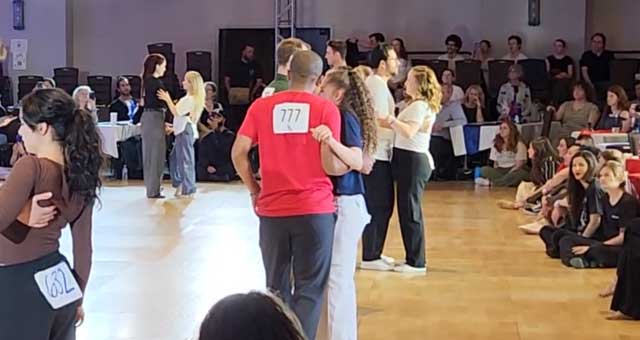
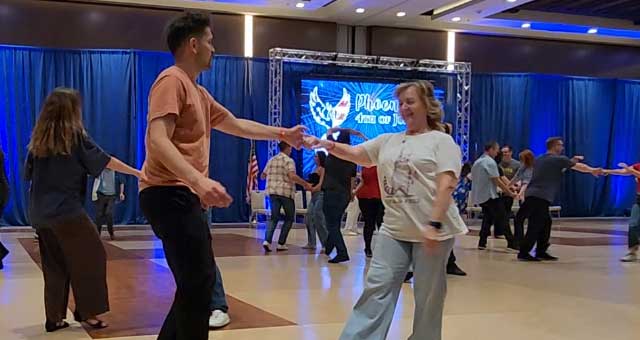
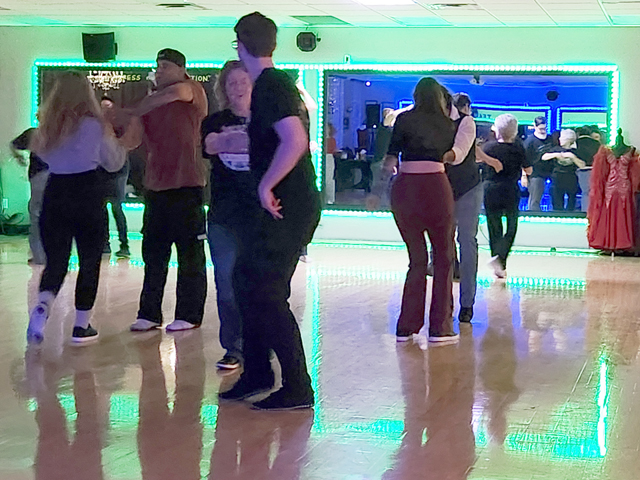
In West Coast Swing, the slot defines how partners share space. Essentially, it acts like a narrow lane across the floor. Therefore, dancers travel forward and backward instead of circling. Consequently, this structure creates the dance’s smooth and elegant appearance. Additionally, it reduces floor chaos during busy social events. When dancers understand the slot, movement becomes clearer and more confident.
Why the Slot Matters
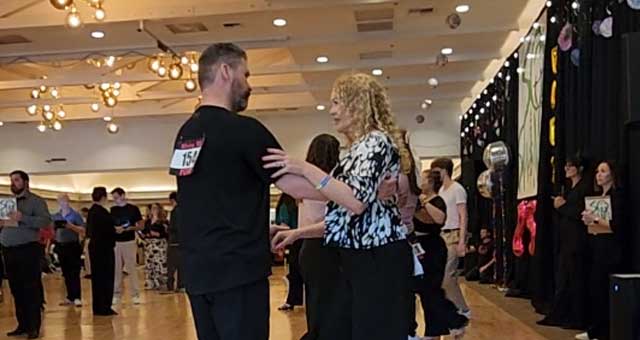
The slot organizes communication between partners. Specifically, leaders guide directions within this shared lane. Meanwhile, followers travel confidently along the established pathway. As a result, this agreement builds trust quickly between partners. Furthermore, the dance feels calmer and more musical. Consequently, energy flows smoothly instead of colliding. Additionally, a clear slot helps dancers interpret the music better. Ultimately, it supports creativity rather than limiting choices.
Common Slot Problems
However, many dancers drift off the slot without awareness. For example, leaders may pull across the body instead of down the lane. Similarly, followers sometimes step forward too soon. Consequently, these habits blur timing and weaken connection. As a result, the dance begins to feel messy. Fortunately, awareness resolves most of these issues. Additionally, visualizing straight tracks improves alignment. Meanwhile, slow practice helps reveal hidden problems.
Sharing the Slot as Partners
Importantly, the slot belongs equally to both partners. Therefore, leaders suggest pathways with clear intentions. Meanwhile, followers honor those pathways through controlled travel. Consequently, neither role controls space alone. This balanced responsibility creates better communication. Furthermore, both partners can play without crowding each other. Additionally, clear space strengthens mutual trust. Ultimately, this trust allows dancers to relax and explore musical ideas.
Making the Slot Your Home Base
Think of the slot as a home base rather than a restriction. After turns or stretch, dancers should return to it. Consequently, this reset restores balance and timing. Therefore, strong dancers always know the slot’s location. However, they leave it only with clear intention. As a result, this awareness creates greater freedom. Additionally, simple patterns effectively train this habit. Ultimately, repetition builds lasting comfort and confidence.
Why Advanced Dancers Still Care
Notably, advanced dancers never abandon the slot. Instead, they bend and stretch it with clear intention. Consequently, skill allows brief departures without confusion. Nevertheless, order remains present within this freedom. Furthermore, judges consistently notice clarity under pressure. Similarly, social partners feel safe immediately. Ultimately, mastery often reflects respect for simple structure. Therefore, the slot supports growth at every stage of dancing.