The Moment After Movement
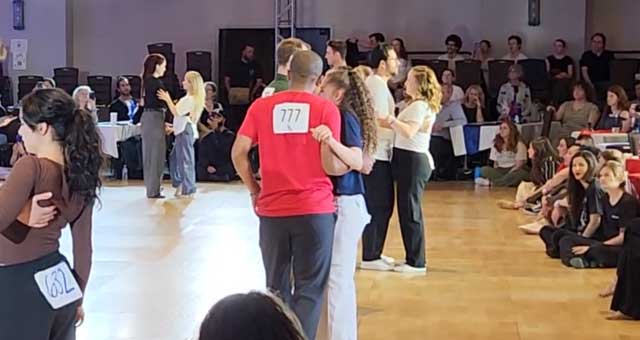
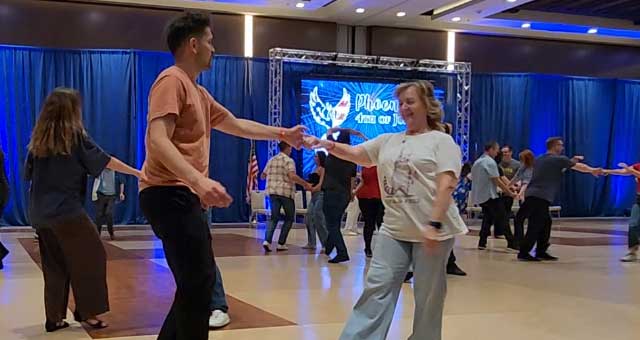
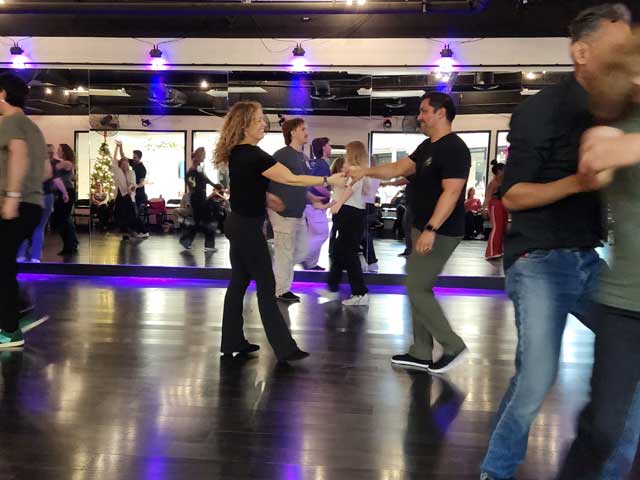
Many dancers think patterns end on count six. However, in West Coast Swing, the anchoring action proves otherwise. This settling moment, in fact, creates shared balance and direction. It happens after travel finishes, and the body stays active, not frozen. When dancers rush past this moment, connection weakens. Therefore, understanding this concept changes how the entire dance feels.
Why Energy Must Settle
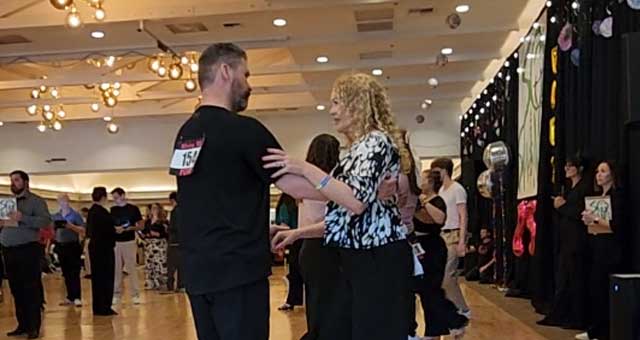
West Coast Swing depends on stored energy. Specifically, the anchor step allows that energy to collect between partners. Leaders finish movement without pulling back, while followers complete travel without stepping forward. As a result, this creates stretch instead of collapse. Stretch holds intention, and without it, the dance feels chopped. Ultimately, calm endings support better beginnings.
Mistakes That Break the Dance
Many followers walk forward at the end of patterns. Meanwhile, others lock their feet and stop moving. Some also rush counts five and six. Consequently, these habits erase leverage and timing. The fix, however, starts with weight control. Stay behind the foot, and let connection slow you down. In turn, clean finishes create smoother leads and clearer follows.
A Shared Job, Not a Solo Job
Both partners shape this moment together. For example, leaders release control early, while followers wait without guessing. Neither role drags or resists, and as a result, trust grows here. When responsibility stays balanced, the dance feels cooperative. In addition, playfulness becomes easier. Clear endings invite creative starts, and strong partnership shows through patience, not force.
How Advanced Dancers Use It
Advanced dancers never waste this moment. Instead, the anchor step becomes a place for choice. Timing can stretch or compress, and musical accents land cleanly. Because of this, judges notice control here first. Social partners also feel secure instantly. Skill shows through restraint, while simple structure supports complex expression. In the end, mastery often lives in quiet moments.
Why It Changes Everything
This concept, above all, re-frames how dancers think about endings. The anchor step keeps the dance alive between patterns. It supports connection, clarity, and musicality. As a result, every level benefits from this focus. Beginners gain stability, while advanced
Dance Archive – “MY Elements of WCS” – SEE LIST